157,000
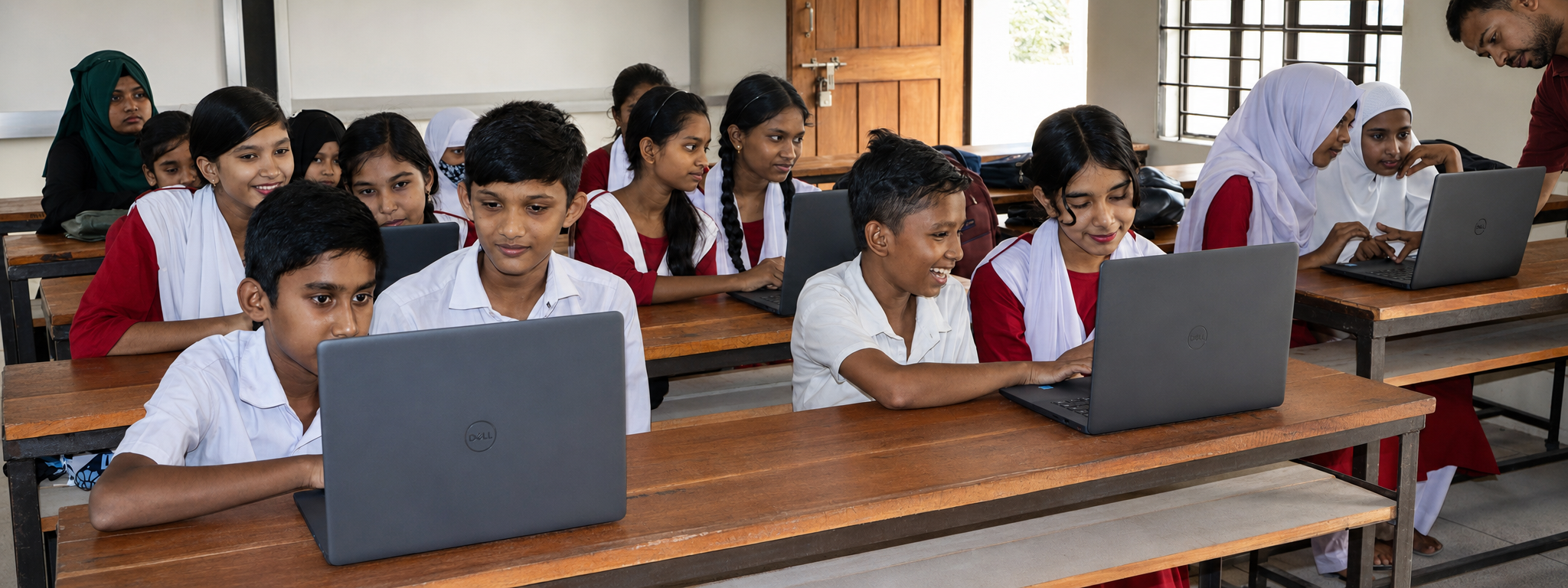
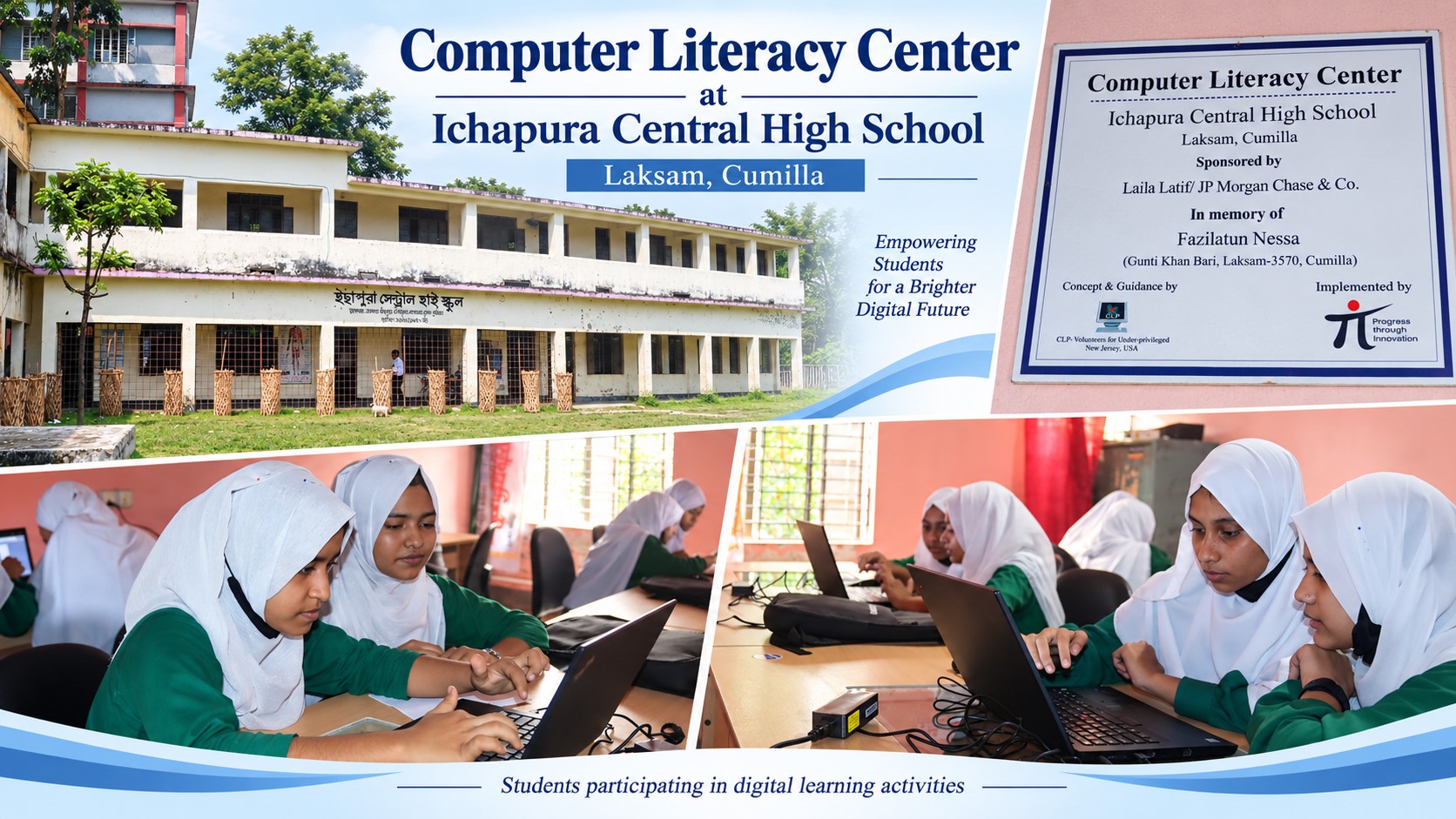
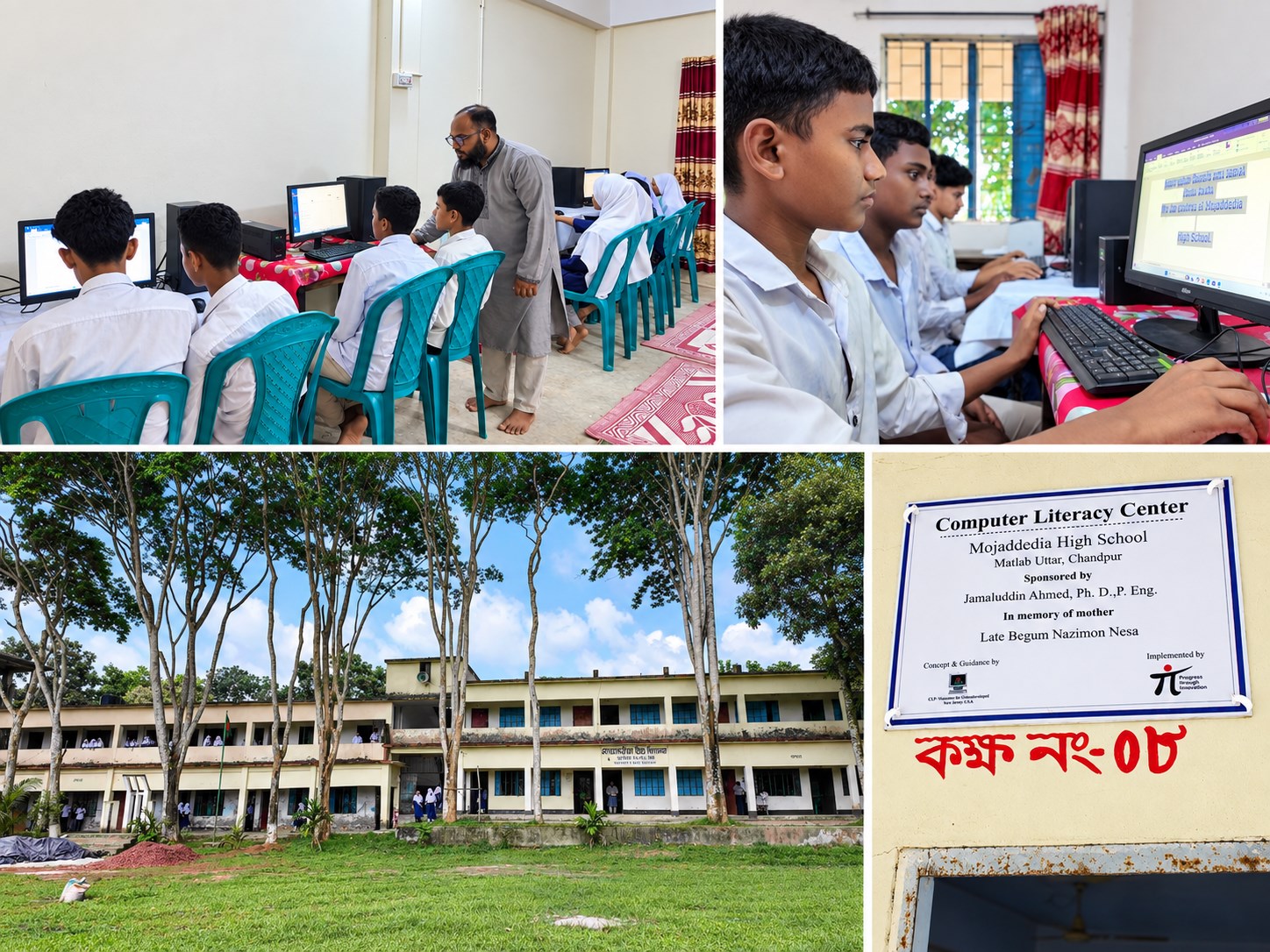
Students have received basic computer literacy training from the CLCs established by the Computer Literacy Program and its implementation partner Dnet in Bangladesh with support from sponsors and local school administrations.
CLP promotes the knowledge and usage of computer and information technology among the underprivileged youths in Bangladesh. We do so in following ways:
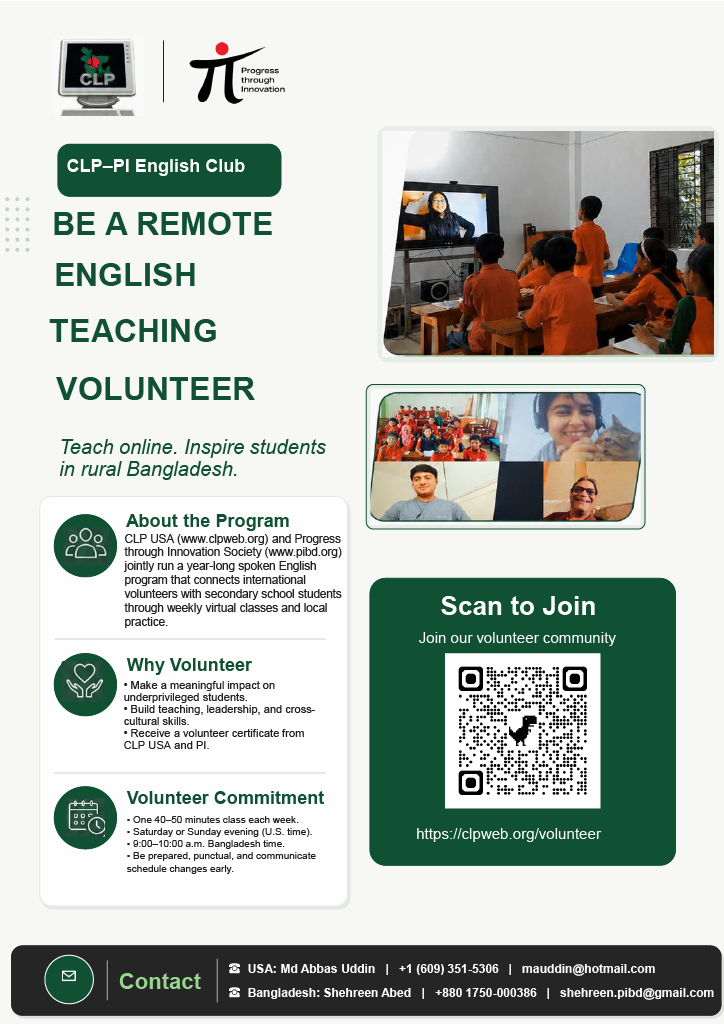
CLP USA and Progress through Innovation Society (PI) are inviting volunteers to join a remote English teaching initiative connecting international volunteers with se
We equip Computer Literacy Center (CLCs) with computers, internet connectivity, curriculum and trained teachers for students to become computer literate.
We equip Smart Classrooms (SCRs) with large screen monitor, computer, contents and subject based trained teachers for student's enjoyable and sustainable learning.
We create opportunities for rural students to participate different live online classes of subject-based experts who connect from locations across the globe.
We bring students together from two different countries, aims at fostering cultural communication, friendship and English communication skills development.
We provide students an entertaining platform for acquiring knowledge on tolerance, global awareness, entrepreneurship and sharpen student's communication skills.
We engage with experts to design fitting curriculum for computer literacy training in CLCs and the subjects taught in SCRs.
Merina Rashid was one of our society's underprivileged girls. Since her father died when she was eight years old, Dustho Meyeder Nirapad Ashram o Punorbashan Kendro (DMNAPK) located in Gazipur stood by her as her family's financial condition deteriorated. She found asylum at DMNAPK and attended classes there from elementary to higher secondary school. She learnt computer for free in her struggling life after setting up a Computer Literacy Center (CLC) from Computer Literacy Program (CLP) at DMNAPK in 2017. Following this, she is currently working in an organization called ATI Limited by applying this computer education in her life.
More StoriesStudents have received basic computer literacy training from the CLCs established by the Computer Literacy Program and its implementation partner Dnet in Bangladesh with support from sponsors and local school administrations.
of the graduates are female.
A Computer Literacy Center (CLC) is a computer lab run by CLP trained teachers to provide students with hands-on training in computer usage using a structured curriculum. Every computer lab is equipped with a minimum of four computers, one printer, requisite accessories, furniture and Internet connection (where available).

Smart Class Rooms (SCRs) brings the educational opportunities provided by advances in personal computer, Internet, educational CDs, and ICT-based interactive learning materials to secondary school students in rural Bangladesh. Every SCR is equipped with a laptop, a large screen TV monitor, educational CDs and contents from web. SCRs are readily adaptable for remote instruction
Choose the way you would like to help expand digital learning opportunities for underprivileged students in Bangladesh.
The cost to sponsor a Computer Literacy Center or Smart Class Room ranges from $2,800 - $3,000 depending on the range of equipment needed for setup. You may choose the school where you want to establish a Computer Literacy Center and/or a Smart Class Room.
If you are motivated by the CLP mission, we invite you to donate your time and enlist as a CLP volunteer. Email us at vabnj@hotmail.com or complete the form on our volunteer page.
I am very pleased with CLP. I sponsored a Computer Literacy Center at Refaitpur High School in my village of Refaitpur, Kushtia, Bangladesh. CLP helped establish the center in 2006, trained two teachers, and provided a structured curriculum for students. Through June 2021, the center continued to operate successfully, helping students develop essential computer literacy skills. CLP also supported equipment maintenance, troubleshooting, and the replacement of outdated hardware, helping the center remain operational.
Supporting Digital Learning Since 2006